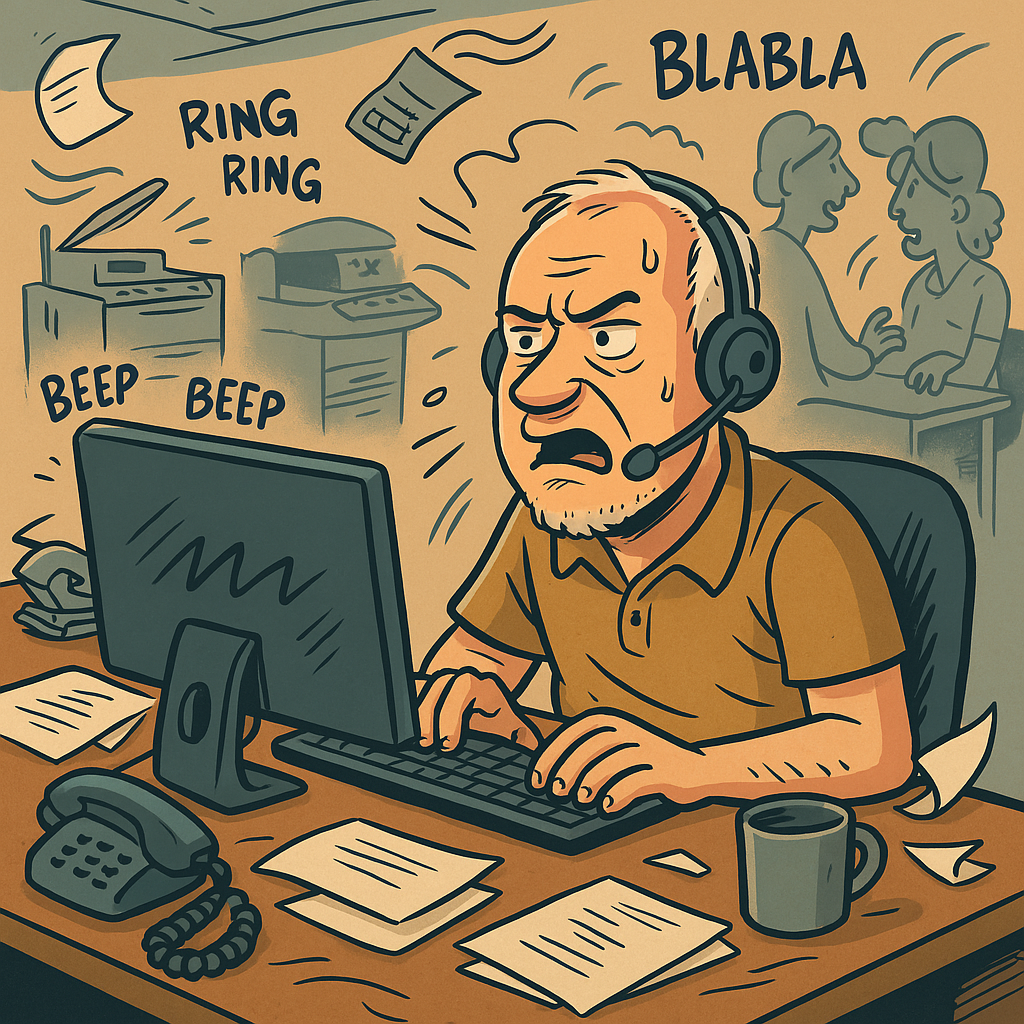
Speech Recognition Users: The Quietest Voices
There’s a quiet cohort in the workplace.
They don’t file complaints.
They don’t draw attention.
Most days, they’re just trying not to stand out.
And yet, they represent the largest group of assistive technology users in the Australian Public Service and I suspect large businesses everywhere.
Who is this series for?
I’ve worked in the assistive technology field for over 25 years, mostly supporting public sector staff. My focus has been Dragon speech recognition, though I’ve also supported screen readers like JAWS, screen magnifiers like ZoomText, and literacy tools like Read&Write.
But this series isn’t about assistive technology in general.
It’s about Dragon users.
The unheard ones.
The forgotten ones.
What I’ve witnessed
Dragon users come from all walks of life:
- People with physical injuries or degenerative conditions
- People with dyslexia and other processing differences
- People using voice input early, to avoid long-term strain or injury
But what unites them is not diagnosis. It is experience.
They’re almost always isolated. And they’re often unsupported.
Unlike staff who are blind or have low vision, who rightly receive stronger advocacy, Dragon users tend to fall through the gaps. They’re left with:
- Outdated headsets and underpowered computers
- Dragon versions that are years behind
- No training, no configuration
- No quiet space, just noisy, open-plan offices
- No voice in the system meant to support them
When I’ve raised these issues, the response is often the same:
“Wouldn’t we be hearing more complaints if there was really a problem?”
No. You wouldn’t.
Because most have learned not to complain.
They don’t want to be noticed.
They already feel exposed, e.g., speaking commands aloud, in full view.
What this series is about
This blog series aims to speak for the quietest voices. To show:
- Why Dragon users remain unheard
- How support systems, however well-intentioned, can become barriers
- And what better, more realistic inclusion could look like
I’ll also share what does work. How I approach training and setup, and how I speak with managers on behalf of staff to bridge the gap between misunderstanding and meaningful support.
This is for the person sitting quietly at their desk, headset on, just trying to get through the day.
It’s for the team leaders, managers, and IT staff who want to do better but don’t know where to start.
It’s for the ones who’ve already fallen through the cracks. It is also for the ones who haven’t yet.
Let’s begin. Yes, dare I. With real stories, hard truths, and a shared commitment to listen better.
☕ If you’ve found something here that resonates, you can support my work: